ISA report highlights the need to prepare the next generation of seafarers
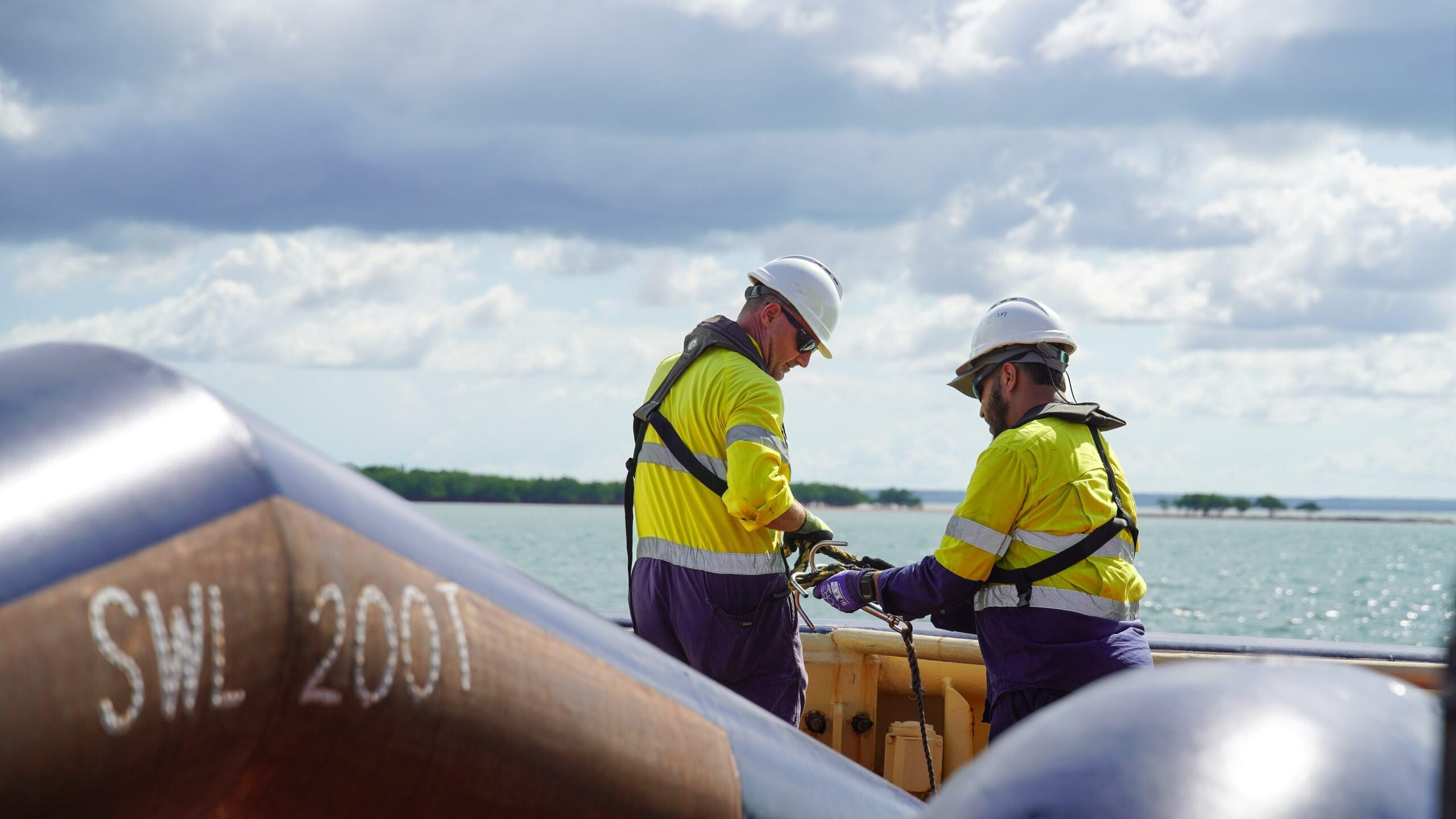
Industry Skills Australia (ISA) released its Strategic Fleet Supply and Demand Forecast Study (the Report) analysing workforce data across the Australia’s maritime sector. The Report found that approximately, a one-third of Australia’s seafarers are expected to retire in the next ten years, highlighting the importance of workforce planning, skills development and attracting the next generations of maritime professionals.
According to data sourced from the Australian Bureau of Statistics (ABS), Jobs and Skills Australia (JSA), and the Australian Maritime Safety Authority (AMSA), the Report responds to the need for comprehensive workforce planning across the maritime sector, as identified in the Maritime Industry 2026 Workforce Planning Update, which highlights skilled workforce shortages, barriers to maritime training and sea-time opportunities, and the need for long-term workforce development initiatives. Research focused on people holding Certificates of Competency under the International Convention on Standards of Training, Certification and Watchkeeping for Seafarers (STCW 95, as amended).
In 2022, the Australian Government committed to establishing a commercially owned and operated Strategic Fleet of vessels to enhance national resilience during disasters and ensuring the movement of critical cargo during emergencies.
The Report states that ‘demand for Australian seafarers is outstripping supply across the maritime industry, and without action, the Australian maritime workforce will not be able to meet the needs of the Strategic Fleet and the broader economy.’
The Report analysed AMSA data to determine the number of seafarers holding Certificates of Competency or Proficiency for the first time and found that the number of new Deck and Engineering Watchkeepers are not only low but have suffered a decline over the last decade. The Report highlights that these entry level roles are important as they could lead to senior positions in Master and Class 1 Engineers.
Also identified was that one percent of Near Coastal graduates' transition to an STCW qualification, accounting for almost seven percent of all new STCW completions. The Report noted that ‘the demand for seafarers is highly cyclical, with sectors such as offshore oil and gas and emerging offshore wind drawing heavily on the workforce at different times, and additional competition coming from adjacent industries including fishing and aquaculture.’.
To meet the growing demand for skilled seafarers and develop the sustainable maritime workforce needed to support Australia's decarbonisation, economic resilience and national security objectives, the Report’s findings will help inform government investment and workforce planning priorities. The findings will support key initiatives such as the Maritime Skills Pipeline Project, which is developing a national framework to improve training pathways, accelerate seafarer supply and strengthen workforce planning. Findings will also inform workforce development to support the maritime sector's transition to alternative fuels and low-emissions technologies, ensuring training providers can deliver the skills required for emerging occupations and future industry needs.
The analysis supported the development of the 2026 Maritime Workforce Planning Update. The findings continue to reinforce current ISA maritime projects, such as Streamlining Near Coastal to STCW Pathways which aims to increase the visibility of career pathways available to seafarers who wish to transition to a valid STCW Certificate of Competency.